

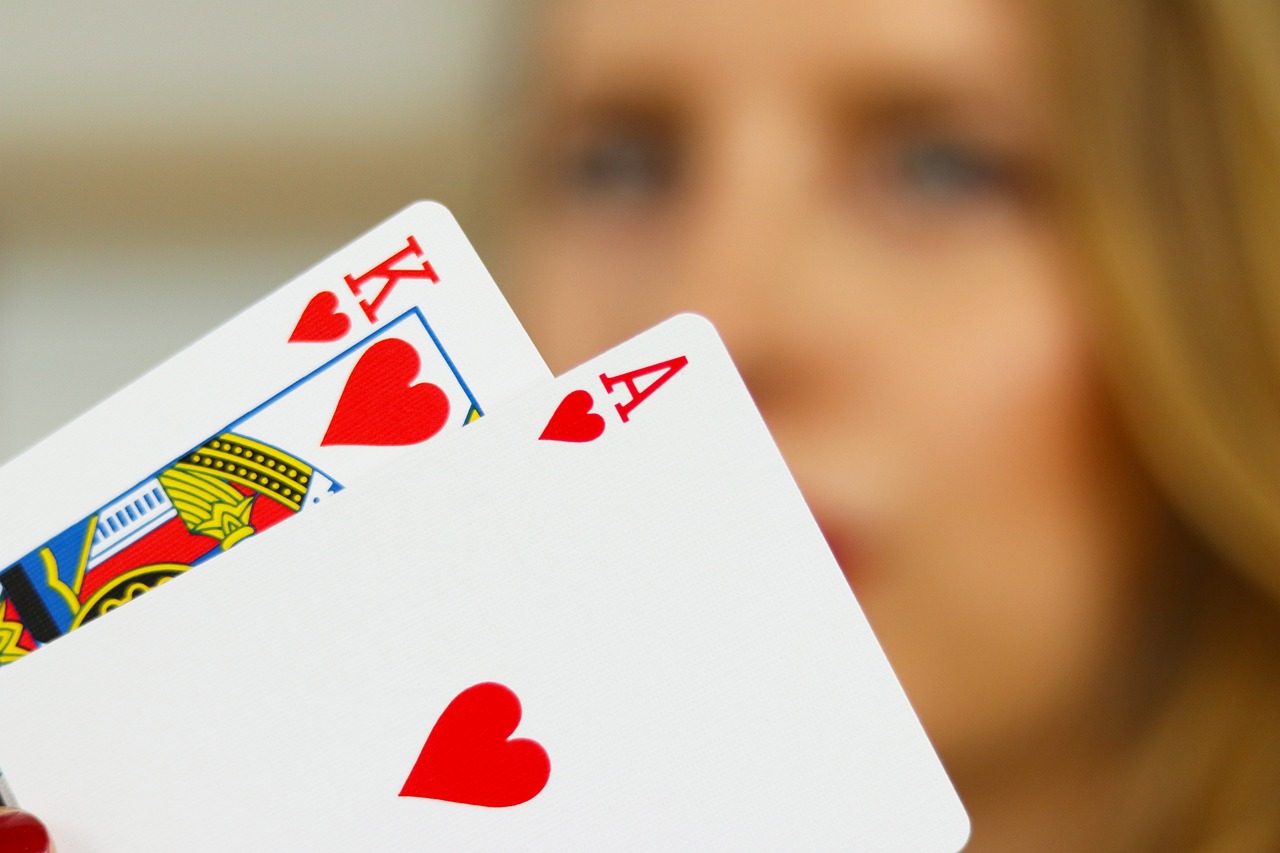
You’ve seen the flashy ads: a grinning guy in a cheap suit holding a giant check, a slot machine erupting like a volcano, a poker table where everyone else seems to be an idiot. The reality of iGaming is quieter, more strategic, and frankly more interesting. Whether you’re spinning reels at 2 a.m. or grinding micro-stakes poker on a Sunday afternoon, the difference between a hobby and a hemorrhage is rarely luck. It’s approach. This isn’t about “beating the system” — it’s about understanding the system well enough to enjoy it without getting gutted.
Slots: Volatility Is Your Real Best Friend
Most slot players obsess over RTP (Return to Player). That’s fine, but it’s only half the story. A 96% RTP game sounds better than a 94% one, but if the 96% game has insane volatility, your $200 bankroll might vanish in 15 minutes. Volatility — or variance — describes how often and how much a machine pays. Low-volatility slots (think Starburst or Blood Suckers) pay small amounts frequently. High-volatility monsters like Bonanza or San Quentin can eat 300 spins before a single bonus round. Neither is “better.” They just suit different goals.
Here’s a concrete example: You have $100. On a low-volatility slot at $0.50 per spin, you might get 400–500 spins with regular small wins. On a high-volatility slot at the same bet, you might get 60 spins and then hit a 200x bonus. Which feels better? Depends on whether you’re playing for entertainment or a shot at a big multiplier. My rule: if you want a long session, choose volatility below 3/5. If you’re chasing a jackpot screenshot, go high — but accept that most sessions will end in a whimper, not a bang.
- Check the paytable, not just the theme. A gorgeous Egyptian slot with a 5,000x max win is useless if the bonus triggers once every 500 spins.
- Set a loss limit per session, not per day. $50 per session, three sessions max. Once it’s gone, you’re done. No “one more deposit.”
- Use free play to test volatility. Most casinos offer demo mode. Spin 200 times and note how often you’re below your starting balance.
Poker: The Only Game Where You Play the Player
Slots and most casino games are you versus a random number generator. Poker is you versus other humans — and that’s why it’s the most skill-intensive form of iGaming. But here’s what the movies never tell you: at micro-stakes ($0.01/$0.02 blinds), the correct strategy is boring. You play tight, value bet relentlessly, and never bluff a calling station. Fancy plays are for higher limits where opponents actually fold.
A concrete data point: In a typical 6-max micro-stakes game, roughly 70% of players are losing players. The winners aren’t prodigies; they just fold more. They play 20–25% of hands instead of 60%. They don’t chase gutshots without odds. They understand position — acting last is worth more than any hole card. If you’re new, start with a single table, no HUD (tracking software), and a written pre-flop range. Yes, written. On paper. That one habit will put you ahead of 80% of the field. This is explained well on OK68.
Three habits that separate break-even players from winners:
- Bankroll management: Never buy into a cash game with more than 5% of your total poker bankroll. For tournaments, 2% max. This isn’t conservative; it’s survival.
- Stop-loss and stop-win: If you lose two buy-ins, quit for the day. If you win three, also consider quitting. Tilt works both ways.
- Review one hand per session: Not ten. One. Write down the action, your reasoning, and what you’d do differently. Over a month, that’s 30 hands — and you’ll spot leaks you never knew existed.
Sports Betting: Line Shopping Is Free Money
Sports betting has exploded, but most bettors treat it like a lottery ticket. They pick a team, bet $20, and hope. The sharpest bettors do something almost embarrassingly simple: they compare odds across multiple sportsbooks. A point spread might be -110 at one book and -105 at another. That five-cent difference seems tiny, but over 100 bets, it’s the difference between a 2% loss and a 2% profit. In a game with a 52.4% break-even rate, that’s everything.
Here’s a real example: You want to bet the Chiefs -3.5. Book A offers -110. Book B offers -105. Book C offers -108. You bet at Book B. Now suppose you also want to bet the over/under. Book A has the best price on the over, Book C on the under. You now have accounts at three books. That’s not paranoia — that’s basic math. Most recreational bettors have one account and take whatever number they’re given. They’re donating.
- Never bet on your favorite team. Emotional bias costs more than any bad line.
- Track every bet in a spreadsheet. Date, sport, pick, odds, stake, result. After 50 bets, you’ll see patterns — like you’re terrible at NBA totals but decent at college football.
- Ignore parlays for profit. They’re fun, but the house edge compounds with each leg. A 3-leg parlay at -110 each has a true payout that’s usually 15–20% worse than the implied probability.
The Unsexy Truth About Bonuses and Promotions
iGaming sites throw bonuses at you like confetti. “100% match up to $500!” sounds amazing. Then you read the terms: 40x wagering requirement, slots only, max bet $5, games weighted differently. That $500 bonus might require $20,000 in total bets before you can withdraw a cent. And if you’re playing a low-volatility slot with a 96% RTP, your expected loss during that wagering is $800. The bonus is a trap for the impatient.
How to use bonuses smartly: Look for low wagering (under 25x), no max bet restriction (or a generous one), and cashback promos. A 10% weekly cashback on net losses is often worth more than a 100% match bonus. Also, check the game weighting — blackjack usually counts 10–20% toward wagering, while slots count 100%. If you play blackjack, a slots bonus is useless to you.
Mental Game: The Most Underrated Skill
You can know every RTP table, every poker range, every betting line — and still lose because you’re tired, angry, or bored. iGaming is designed to be immersive. The lights, the sounds, the speed. That’s not an accident. It’s engineering. Your best defense is a pre-set session plan: decide how long you’ll play (45 minutes, not “until I’m up”), what your loss limit is, and what you’ll do afterward (walk, eat, anything that breaks the trance).
One more concrete tip: Never chase losses with larger bets. If you’re down $100 on slots, moving from $0.50 to $5 spins doesn’t increase your chance of recovery — it just accelerates the inevitable. The house edge doesn’t care about your feelings. The players who last are the ones who treat iGaming like a paid hobby, not a rescue mission.
At the end of the day, slots, poker, and betting are different beasts, but they share one truth: the house always has an edge, and only the disciplined players keep that edge small. You won’t win every session. You won’t even win most. But if you manage volatility, fold more pre-flop, shop for lines, read bonus terms, and respect your own mental limits, you’ll be the exception — the player who walks away with stories, not regrets.


Comments